
Table of Contents
In today’s rapidly evolving health industry, Wellness Trends are reshaping the way people approach everyday living. The modern definition of health has expanded far beyond simply avoiding illness. It now includes mental clarity, emotional balance, preventive care, longevity, and optimized performance. As a result, Wellness Trends are influencing how people eat, exercise, sleep, recover, and manage stress. What was once considered alternative or niche has now entered mainstream culture, making wellness a central priority in many households.
From high-tech tracking devices that monitor heart rate and sleep cycles to ancient healing practices rebranded for modern lifestyles, new Wellness Trends appear almost daily. Social media platforms, podcasts, and online communities accelerate the spread of these ideas, often turning small health movements into global phenomena within weeks. Influencers and celebrities frequently endorse emerging Wellness Trends, adding visibility and credibility—whether scientifically justified or not. This constant exposure makes it exciting but also challenging to navigate the ever-growing wellness landscape.
While some Wellness Trends are supported by solid scientific research and deliver measurable, long-term benefits, others are fueled more by persuasive marketing than medical evidence. Certain trends are designed to solve real health challenges such as chronic stress, poor sleep, or sedentary lifestyles. Others, however, promise dramatic transformations with minimal effort, appealing to the desire for quick fixes. Without careful evaluation, it becomes easy to invest time and money into Wellness Trends that offer little return—or worse, create unintended health risks.
Another factor contributing to the explosion of Wellness Trends is the growing public interest in preventative health. People are increasingly proactive rather than reactive. Instead of waiting for illness to occur, many individuals are seeking ways to optimize their well-being now. This shift has created space for innovative Wellness Trends that focus on biohacking, personalized nutrition, stress resilience, gut health, and longevity science. When grounded in research and applied responsibly, these trends can significantly improve quality of life.
However, not every popular movement qualifies as a beneficial lifestyle upgrade. Some Wellness Trends rely on extreme restrictions, expensive supplements, or dramatic detox claims that lack credible support. Others may be safe but unnecessary, adding complexity to routines without providing meaningful results. Understanding which Wellness Trends deserve your attention—and which should be approached cautiously—can protect both your health and your financial resources.
Evaluating Wellness Trends requires asking critical questions. Is there peer-reviewed research supporting the claims? Is the approach sustainable over the long term? Does it encourage balance rather than extremes? Does it align with your individual health needs and goals? The most effective Wellness Trends typically promote gradual improvement, consistency, and personalization rather than overnight success.
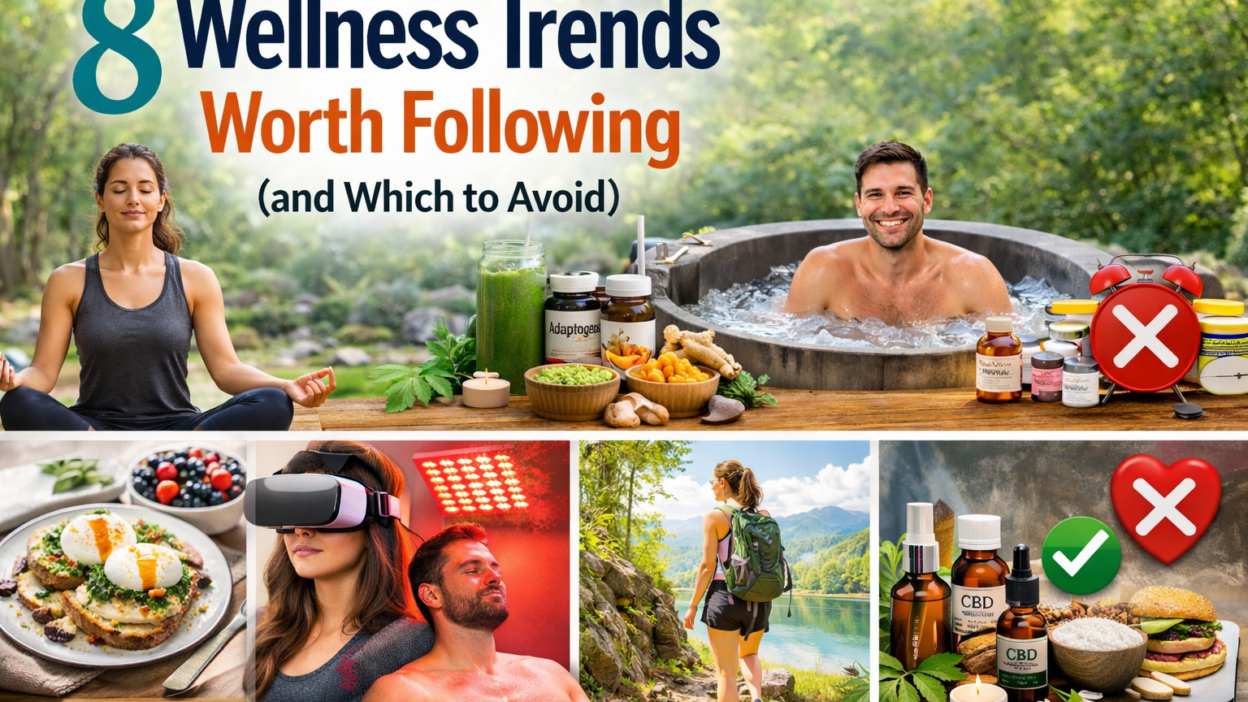
Below, we explore eight of the most talked-about Wellness Trends shaping today’s health culture. We’ll highlight the ones worth integrating into your lifestyle because they are evidence-based and sustainable, and we’ll also examine those that should be approached with caution due to limited research or potential downsides. By understanding the difference, you can make informed decisions that support lasting well-being instead of chasing every new headline in the wellness world.
1. Personalized Nutrition – ✅ Worth Following
Among the most innovative Wellness Trends gaining momentum today is personalized nutrition. Unlike traditional diet plans that apply the same guidelines to everyone, personalized nutrition recognizes that each individual has unique biological, metabolic, and lifestyle needs. Rather than promoting one universal approach—whether low-carb, plant-based, or high-protein—this method adapts dietary recommendations based on factors such as age, activity level, body composition, medical history, food sensitivities, and even genetic markers. reputable.health
One of the key reasons personalized nutrition stands out among modern Wellness Trends is its foundation in data and individual assessment. Advances in health technology now allow people to track blood sugar responses, monitor nutrient intake, analyze gut health, and evaluate metabolic efficiency. Some programs even incorporate DNA testing to identify how a person processes certain nutrients like fats or carbohydrates. While not all genetic testing is essential, the broader movement toward customization reflects a significant shift in how nutrition is understood within emerging Wellness Trends.
Another strength of personalized nutrition is its focus on long-term sustainability. Many popular diets fail because they rely on rigid rules or extreme restrictions that are difficult to maintain. In contrast, this approach encourages flexibility and balance. Instead of eliminating entire food groups without medical necessity, personalized plans aim to optimize what works best for your body. This makes it easier to build realistic habits that fit into daily life—an important factor in maintaining progress over time.theguardian
Healthcare professionals increasingly support this direction in Wellness Trends because it reduces the risk of nutritional deficiencies and disordered eating patterns often associated with extreme dieting. When guided by registered dietitians or qualified practitioners, personalized strategies can help manage chronic conditions such as diabetes, digestive disorders, and cardiovascular risks. By aligning food choices with individual health goals, people are more likely to experience steady energy levels, improved digestion, better weight management, and enhanced overall well-being.
Personalized nutrition also shifts the focus from short-term appearance goals to comprehensive health optimization. Many outdated Wellness Trends center around rapid weight loss or dramatic transformations. In contrast, this approach emphasizes nourishment, metabolic health, and disease prevention. It promotes a healthier relationship with food by encouraging awareness rather than restriction. timeslive
Why it’s worth following:
Personalized nutrition encourages sustainable habits, informed decision-making, and long-term health improvements rather than extreme dietary rules. As one of the most practical and science-aligned Wellness Trends, it offers a balanced path toward achieving individual wellness goals in a realistic and maintainable way.
2. Mindfulness and Meditation Apps – ✅ Worth Following
In the ever-expanding world of Wellness Trends, mindfulness and meditation have emerged as essential tools for managing stress, improving focus, and enhancing overall mental well-being. Unlike some trendy wellness fads that promise instant physical transformations, these practices emphasize long-term mental clarity, emotional balance, and resilience—benefits that are both scientifically supported and universally applicable.
Modern life is increasingly fast-paced and digitally saturated, making mental health more important than ever. Many people struggle with anxiety, chronic stress, and sleep disturbances, and these challenges are often exacerbated by constant notifications, work pressures, and information overload. As a result, mindfulness and meditation apps have become one of the most accessible and popular Wellness Trends. They offer structured programs that guide users through daily exercises, breathing techniques, body scans, and focused meditation sessions, allowing anyone—regardless of experience level—to practice mindfulness conveniently at home, work, or on the go. timeslive
One of the reasons mindfulness is so effective as a Wellness Trend is that it is supported by extensive research. Studies consistently show that regular mindfulness practice can reduce stress hormone levels, lower blood pressure, improve sleep quality, enhance focus, and even support emotional regulation. Over time, these benefits accumulate, leading to better decision-making, improved relationships, and greater overall life satisfaction. Unlike quick-fix wellness fads, the effects of mindfulness are gradual but profound, making it a sustainable addition to any health routine.theguardian
Additionally, meditation apps and online platforms have transformed how this wellness practice is accessed and personalized. Many apps now include features such as progress tracking, personalized reminders, mood logging, and community support, allowing users to engage with mindfulness practices in ways that fit their individual lifestyles. This personalization aligns with modern Wellness Trends, which increasingly focus on integrating health practices seamlessly into daily routines rather than demanding drastic lifestyle overhauls.
Another benefit of mindfulness and meditation as a Wellness Trend is its low-risk nature. Unlike extreme diets, supplements, or intense physical regimens, mindfulness practices are safe for nearly everyone and do not require specialized equipment. They complement other wellness strategies, including exercise, nutrition, and sleep optimization, making them a versatile and holistic tool for improving overall well-being.
Why it’s worth following:
Mindfulness and meditation apps offer scientifically supported benefits for mental health, stress management, and emotional balance. As a sustainable, low-risk, and adaptable Wellness Trend, they empower individuals to cultivate self-awareness, resilience, and long-term well-being—transforming daily habits into meaningful improvements in overall health.reputable.health
3. Cold Exposure Therapy – ⚠️ Approach with Caution
Among the more attention-grabbing Wellness Trends today is cold exposure therapy, which includes practices such as ice baths, cold showers, and controlled cryotherapy sessions. Promoted by athletes, biohackers, and wellness influencers, this approach claims to boost circulation, improve recovery, enhance mental resilience, and even support immune function. The idea behind this Wellness Trend is that brief exposure to cold stress can trigger physiological adaptations that benefit overall health. timeslive
Cold exposure has been studied in sports medicine and physiology, where short-term benefits—such as reduced muscle soreness after intense exercise—are well documented. Some advocates suggest that regular exposure to cold may also improve mood by stimulating the release of endorphins and other neurotransmitters, while others claim it can increase alertness and mental toughness. For those seeking a novel wellness routine, it certainly appears appealing and aligns with modern Wellness Trends that focus on biohacking and functional fitness. theguardian
However, cold exposure therapy is not without risks. Extreme cold can strain the cardiovascular system, potentially causing dangerous spikes in blood pressure or triggering heart issues in susceptible individuals. Prolonged exposure without proper guidance may also lead to hypothermia, frostbite, or other complications. Unlike more established Wellness Trends such as mindfulness or sleep optimization, cold exposure requires careful moderation and, ideally, supervision from trained professionals, especially for beginners or those with underlying health conditions.
Another consideration is the hype surrounding cold exposure. Social media often highlights extreme challenges—such as plunging into icy rivers or standing in subzero temperatures for extended periods—that are not necessary to achieve potential benefits. Research suggests that controlled, brief exposures are more effective and safer than extreme experiments. This is a crucial distinction for anyone exploring cold therapy as part of their personal wellness regimen. timeslive
Verdict:
Cold exposure therapy can be a beneficial addition to your routine when approached safely and in moderation, but it is one of the more extreme Wellness Trends and should be undertaken with caution. Proper guidance, gradual exposure, and attention to personal health status are essential to gain benefits while minimizing risks. For most individuals, integrating shorter, controlled sessions is preferable to chasing extreme, viral challenges.
4. Gut Health Optimization – ✅ Worth Following
One of the most scientifically supported Wellness Trends in recent years is the focus on gut health. The human gut is home to trillions of microorganisms—collectively known as the microbiome—that play a crucial role in digestion, immune function, and even mental health. Emerging research shows that maintaining a balanced gut microbiome can influence not only digestive wellness but also mood regulation, energy levels, and overall resilience to disease, making gut health a central component of modern wellness strategies. reputable.health
Unlike trendy detox programs or restrictive diets, gut health optimization emphasizes diversity and balance rather than elimination. Incorporating fiber-rich foods, fermented products like yogurt and kimchi, and prebiotics and probiotics into daily meals helps nourish beneficial bacteria. This approach aligns with evidence-based Wellness Trends that encourage sustainable, science-backed practices rather than temporary fads. Regular attention to gut health can improve digestion, reduce bloating, and support consistent energy levels throughout the day.
The appeal of gut-focused wellness trends extends beyond digestion. Studies increasingly highlight the gut-brain connection, showing that a healthy microbiome can positively impact stress management, mood, and cognitive function. As a result, gut health optimization is now integrated into broader wellness routines, including personalized nutrition plans, stress reduction strategies, and mindful eating practices.reputable.health
Another reason gut health stands out among Wellness Trends is its adaptability. Individuals can implement small, gradual changes—such as introducing a daily serving of fermented vegetables or increasing dietary fiber—that produce noticeable benefits over time. This makes gut health optimization both accessible and sustainable, avoiding the extreme approaches often seen in other trendy wellness practices.
Why it’s worth following:
Gut health optimization is a scientifically validated Wellness Trend that promotes digestive balance, immune support, and overall well-being. By prioritizing a diverse, nutrient-rich diet and supporting beneficial microbiota, individuals can experience long-term health improvements without resorting to extreme or unsustainable routines. This makes gut health one of the most practical and effective wellness strategies to integrate into daily life.theguardian
5. Detox Teas and Juice Cleanses – ❌ Avoid
One of the most misleading and potentially harmful Wellness Trends today is the widespread use of detox teas, juice cleanses, and similar “detox” programs. Marketed as quick fixes for weight loss, toxin removal, or digestive resets, these products have gained popularity through social media, influencer endorsements, and aggressive marketing. Despite their appeal, the claims behind these detox programs are largely unsupported by scientific evidence.
The human body already has highly efficient natural detoxification systems. The liver, kidneys, lungs, and skin work continuously to filter and eliminate waste, toxins, and excess substances. No supplement or juice can enhance these processes in a meaningful way. Relying on detox teas or juice cleanses as a primary health strategy can give a false sense of improvement while neglecting more effective, evidence-based Wellness Trends such as balanced nutrition, exercise, and sleep optimization.
Detox-focused Wellness Trends often involve extreme restrictions, such as consuming only liquids for several days or eliminating essential nutrients entirely. While this may result in temporary weight loss, it is primarily due to reduced calorie intake and water loss rather than the elimination of toxins. Moreover, prolonged or repeated use of detox products can lead to nutrient deficiencies, decreased muscle mass, fatigue, and fluctuations in blood sugar levels.
Another concern is the potential presence of laxatives or diuretics in some detox teas, which can cause dehydration, electrolyte imbalances, and digestive irritation. For individuals with preexisting health conditions, these side effects may be more pronounced, making these trends even riskier.
Despite these warnings, detox programs remain a persistent Wellness Trend because they promise immediate results and are heavily promoted online. However, health professionals consistently advise caution and emphasize that long-term, sustainable wellness relies on balanced dietary habits, adequate hydration, regular exercise, and sufficient sleep—not short-term cleanses.
Verdict:
Detox teas and juice cleanses are one of the least effective Wellness Trends and should generally be avoided. Instead of seeking quick fixes, focus on science-backed approaches such as nutrient-rich meals, fiber intake, hydration, and maintaining gut health. These strategies provide genuine, long-term benefits without the risks associated with extreme or unproven detox products.
6. Wearable Health Technology – ✅ Worth Following
Among the most transformative Wellness Trends in recent years is the rise of wearable health technology. Devices such as smartwatches, fitness trackers, and advanced biosensors have revolutionized the way individuals monitor and manage their health. Unlike traditional wellness approaches that rely on self-reporting or periodic checkups, wearable technology provides real-time data, empowering users to make informed decisions and track progress consistently. timeslive
These devices can measure a wide range of metrics, including heart rate, blood oxygen levels, sleep quality, activity levels, and even stress markers. By collecting this data, wearables allow individuals to identify patterns in their daily routines and understand how lifestyle choices impact overall health. For example, noticing poor sleep quality over several nights can prompt adjustments in bedtime habits or screen usage, leading to better rest and improved daytime performance. This integration of technology into wellness routines represents a significant evolution among modern Wellness Trends.
Beyond personal insight, wearable health technology can enhance accountability and motivation. Many devices include goal-setting features, reminders, and progress tracking, helping users stay committed to fitness, nutrition, and sleep routines. Social features, such as sharing achievements with friends or participating in challenges, further encourage consistency and engagement. This makes wearable tech an interactive and gamified approach to long-term wellness. theguardian
Moreover, wearable health devices complement other evidence-based wellness practices, including personalized nutrition, mindfulness, and gut health optimization. By providing objective data, they help individuals understand what works best for their bodies, reducing the guesswork often associated with trending wellness routines. This evidence-driven approach aligns with the growing movement toward informed and sustainable Wellness Trends.reputable.health
Why it’s worth following:
Wearable health technology is a highly effective Wellness Trend that empowers individuals with actionable insights into their health. By tracking key metrics in real-time and supporting goal-setting, wearables enable informed decisions, foster accountability, and complement other wellness strategies—making them an essential tool for anyone looking to optimize long-term health and well-being.
7. Extreme Elimination Diets – ❌ Avoid
Among the more controversial Wellness Trends are extreme elimination diets. These diets involve cutting out entire food groups—such as carbohydrates, dairy, gluten, or fats—often without any medical necessity. Promoted on social media and wellness blogs, these diets claim to detoxify the body, boost energy, or accelerate weight loss. While they may promise rapid results, extreme elimination diets are considered risky and are generally not recommended by nutrition experts. theguardian
One of the main issues with this Wellness Trend is its potential to create nutritional imbalances. Removing entire categories of foods can lead to deficiencies in essential vitamins, minerals, and macronutrients, negatively impacting energy levels, metabolism, and overall health. For example, completely eliminating carbohydrates can reduce fiber intake, affecting digestive health, while cutting out dairy may compromise calcium levels necessary for bone strength.
Beyond the physical consequences, extreme elimination diets can also have psychological effects. They may contribute to disordered eating patterns, heightened food anxiety, or an unhealthy relationship with food. Many people find these diets difficult to sustain, which often leads to bingeing or yo-yo dieting—counteracting any short-term benefits and undermining long-term wellness goals. timeslive
While elimination diets can be medically appropriate for certain individuals—such as those with food allergies, intolerances, or specific autoimmune conditions—most people adopt them without guidance. This misuse makes extreme elimination diets one of the most misleading Wellness Trends circulating today. They prioritize quick fixes over sustainable, evidence-based health improvements, and can create more problems than they solve.
Verdict:
Extreme elimination diets are a high-risk Wellness Trend that should be avoided unless prescribed and supervised by a qualified healthcare professional. For most individuals, balanced and nutrient-rich eating habits offer far more sustainable and effective benefits than restrictive, hype-driven dietary trends.
8. Sleep Optimization – ✅ Worth Following
Among the most impactful yet often overlooked Wellness Trends is sleep optimization. In recent years, the connection between quality sleep and overall health has become increasingly clear, making it a cornerstone of evidence-based wellness practices. Poor sleep is linked to a wide range of issues, including decreased cognitive function, weakened immunity, hormonal imbalances, increased stress, and a higher risk of chronic conditions such as diabetes and heart disease. Prioritizing sleep has therefore emerged as one of the most effective Wellness Trends for improving long-term health. theguardian
Sleep optimization involves more than just getting enough hours of rest. It encompasses strategies such as maintaining a consistent sleep schedule, creating a calming bedtime routine, limiting exposure to blue light from screens, and optimizing the sleep environment with comfortable bedding, proper room temperature, and minimal noise. These practices help regulate the body’s circadian rhythm, making it easier to fall asleep, stay asleep, and wake up feeling refreshed.reputable.health
The popularity of sleep-focused Wellness Trends is also driven by wearable technology and apps that monitor sleep quality. These tools provide data on sleep cycles, duration, and disturbances, enabling users to identify patterns and make targeted improvements. By combining practical habits with data-driven insights, individuals can fine-tune their sleep to maximize physical recovery, mental clarity, and emotional resilience. theguardian
Another advantage of prioritizing sleep is its wide-ranging impact on other wellness areas. Improved rest supports weight management, enhances exercise performance, regulates appetite, and reduces stress—all of which reinforce other evidence-based Wellness Trends such as personalized nutrition, mindfulness, and gut health. In essence, optimizing sleep creates a foundation that enhances the effectiveness of nearly every other health strategy.
Why it’s worth following:
Sleep optimization is a low-risk, highly effective Wellness Trend that offers measurable benefits for physical, mental, and emotional health. By focusing on consistent, high-quality rest, individuals can improve immunity, cognitive function, stress resilience, and overall well-being, making it one of the most practical and transformative wellness practices to adopt. timeslive
Conclusion
Navigating the world of Wellness Trends can be overwhelming, given the sheer volume of new practices, diets, and technologies emerging every day. While some trends are backed by scientific research and offer genuine, long-term benefits, others are driven primarily by marketing hype, anecdotal evidence, or unrealistic promises. Understanding the difference is essential for building a sustainable and effective wellness routine.
The most valuable Wellness Trends—such as personalized nutrition, mindfulness and meditation, gut health optimization, wearable health technology, and sleep optimization—are evidence-based, adaptable, and sustainable. They encourage long-term health improvements without extreme measures. Conversely, trends like extreme elimination diets, detox cleanses, or excessive cold exposure often prioritize rapid results or viral appeal over safety and effectiveness.
Ultimately, the key to benefiting from modern Wellness Trends is informed decision-making. Evaluate each trend critically, consider your individual needs, and focus on habits that are balanced, sustainable, and supported by credible research. By adopting the right Wellness Trends and avoiding risky fads, you can create a holistic approach to health that promotes physical vitality, mental clarity, and emotional resilience—helping you live your best life today and well into the future.
Learn more : Holistic Fitness: Balancing Body, Mind, and Spirit for Lasting Wellness. 2025